Aviation Switching Module – NSN 4920-01-250-2696 (AS-IS / Untested): Aerospace Electrical Control Component
Aviation Switching Module – NSN 4920-01-250-2696 (AS-IS / Untested): Aerospace Electrical Control Component
Blog Article
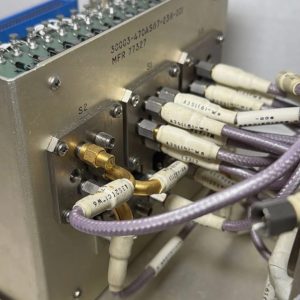
The Aviation Switching Module – NSN 4920-01-250-2696 (AS-IS / Untested) is a specialized aerospace electrical component offered for professional evaluation, restoration, testing, parts recovery, collection, or another suitable non-assumed application.
An Aircraft Switching Module and Aerospace Switching Module should be treated as specialized equipment rather than universal components that can be connected to any aircraft electrical system.
Whether buyers search for an Aircraft Electrical Switching Module, Aviation Electrical Control Module, Aircraft Power Switching Module, Aerospace Electrical Control Unit, or Aircraft Signal Switching Module, technical identification should guide the purchase.
An Aircraft Switching Unit can support specialized signal or circuit management, but an Aerospace Power Distribution Module or Aviation Power Control Module may use different internal architecture and electrical requirements.
Identifying the Aerospace Switching Unit
A matching NSN can improve identification, but it does not establish present condition, functional status, completeness, or suitability for a particular aircraft or test system.
Military or aviation-surplus components may carry replacement numbers, superseded numbers, modification markings, or contract identifiers that assist research.
AS-IS Aerospace Equipment Considerations
The condition description should be understood as a limitation rather than a suggestion that the unit is probably operational.
Professional evaluation protects the module, technician, test equipment, and any associated aerospace system.
Choosing an Aircraft Switching Module
The product page should avoid assigning a cockpit, power-distribution, test-set, or mission-system function without website evidence.
Missing knobs, guards, labels, connectors, covers, or fasteners may reduce completeness.
Aerospace Switching Module Construction
The module may have been designed for vibration, transportation, storage, maintenance, or aerospace operating environments, but present performance should not be assumed.
Connectors should be examined for bent pins, pushed-back contacts, corrosion, contamination, cracked inserts, damaged threads, broken keyways, missing caps, and impact marks.
Inspecting Aviation Module Wiring
A qualified technician should determine whether additional internal inspection is justified.
If the enclosure is opened for professional inspection, the process should be documented with photographs and organized hardware control.
Aviation Module Interface Considerations
Professional research should occur before any attempt to connect the Aviation Electrical Control Module.
Careful preservation supports future study and accurate Aviation Electrical Control Module documentation.
Aircraft Power Switching Module Considerations
Current capacity, voltage, duty cycle, contact type, protection requirements, and load characteristics should be confirmed before testing.
Power-input and output terminals should be checked for looseness, heat discoloration, corrosion, damaged insulation, and unsuitable previous repair.
Aerospace Electrical Control Unit Evaluation
An Aerospace Electrical Control Unit may combine switching, control, indication, interface, or distribution functions within one enclosed assembly.
A common-looking relay, switch, resistor, connector, or wire may not be an acceptable substitute.
Signal Switching Module Inspection
Signal circuits can be sensitive to grounding, shielding, contact resistance, connector condition, and electromagnetic interference.
The module should not be modified with unshielded wiring or improvised connectors solely for convenience.
Aviation Control Module Applications
An Aviation Control Module should be treated as one component within a larger system rather than a standalone universal controller.
Every marking should be recorded before purchase or installation planning.
Aircraft Switching Unit for Maintenance or Restoration
Detailed condition reporting supports fair commercial evaluation.
Removable demonstration leads or external training fixtures may preserve originality better than permanent alteration.
Power Distribution Module Inspection
Internal conductive components can corrode or loosen during storage.
Preserving the original structure protects the Aerospace Power Distribution Module and its resale value.
Maintaining Legacy Aviation Control Equipment
An Aircraft Electrical Control Unit should receive an organized inspection covering identification, enclosure condition, connectors, controls, labels, hardware, internal components, and signs of environmental exposure.
Testing results should identify exactly which switches, contacts, indicators, or circuits were evaluated.
Inspecting a Power Control Module
The seller should avoid presenting the module as compatible with commercial aircraft, helicopters, military aircraft, or UAVs without evidence.
The equipment should remain disconnected and protected during storage.
Aviation Switching System Troubleshooting
An Aircraft Electronic Switching System may consist of multiple modules, harnesses, control panels, relays, indicators, power sources, and associated equipment.
A replacement AS-IS unit may provide useful comparative parts but should not be installed without evaluation.
Preserving Military Aviation Equipment
The unit should not be stacked beneath heavy equipment or left on conductive surfaces.
The module should be enclosed in a moisture-resistant protective layer and placed inside a strong outer carton or suitable shipping case.
Choosing an Aircraft Electrical Module
The potential cost of connectors, manuals, test equipment, repairs, components, and specialist labor should be included in the buying decision.
Remote buyers should request current photographs of the actual unit instead of relying on catalog images or pictures of similar equipment.
Aerospace Module Pre-Purchase Inspection
A pre-purchase review should confirm the NSN, manufacturer, part number, serial number, markings, enclosure condition, connectors, switches, included accessories, storage history, modification status, and known application.
- Verify the module identity through its NSN, data plate, physical configuration, connector arrangement, and available technical references.
- Arrange qualified technical evaluation whenever condition, internal status, or testing requirements remain uncertain.
- Inspect and photograph the module immediately after delivery before cleaning, opening, powering, wiring, modifying, or removing components.
Testing the Aviation Switching Module
A qualified technician may use controlled and current-limited equipment appropriate to the module design.
Powered testing should proceed gradually while monitoring current, temperature, smell, noise, indicators, and unexpected behavior.
Documenting Aviation Electronics Restoration
Temporary substitutions should not become undocumented permanent repairs.
A repaired module may still require system-level testing or additional qualification before installation.
Choosing the Aviation Switching Module – NSN 4920-01-250-2696 (AS-IS / Untested)
For the right purchaser, the unit can offer a useful foundation for technical research, controlled troubleshooting, component recovery, or legacy-equipment restoration.
An experienced aviation-electronics technician should assess the module before it is powered, installed, or connected to other equipment.
Whether the item is purchased for restoration, training, parts recovery, display, testing, inventory, or professional repair, transparent information and controlled handling provide the strongest foundation.
With transparent condition reporting, secure shipping, controlled testing, appropriate repair methods, and accurate records, the unit can support a professional aerospace project.
Report this page